
Creative Threads
Artistic Sewing at Aiginiteio
Sewing as a practice of creativity, care and collective expression.
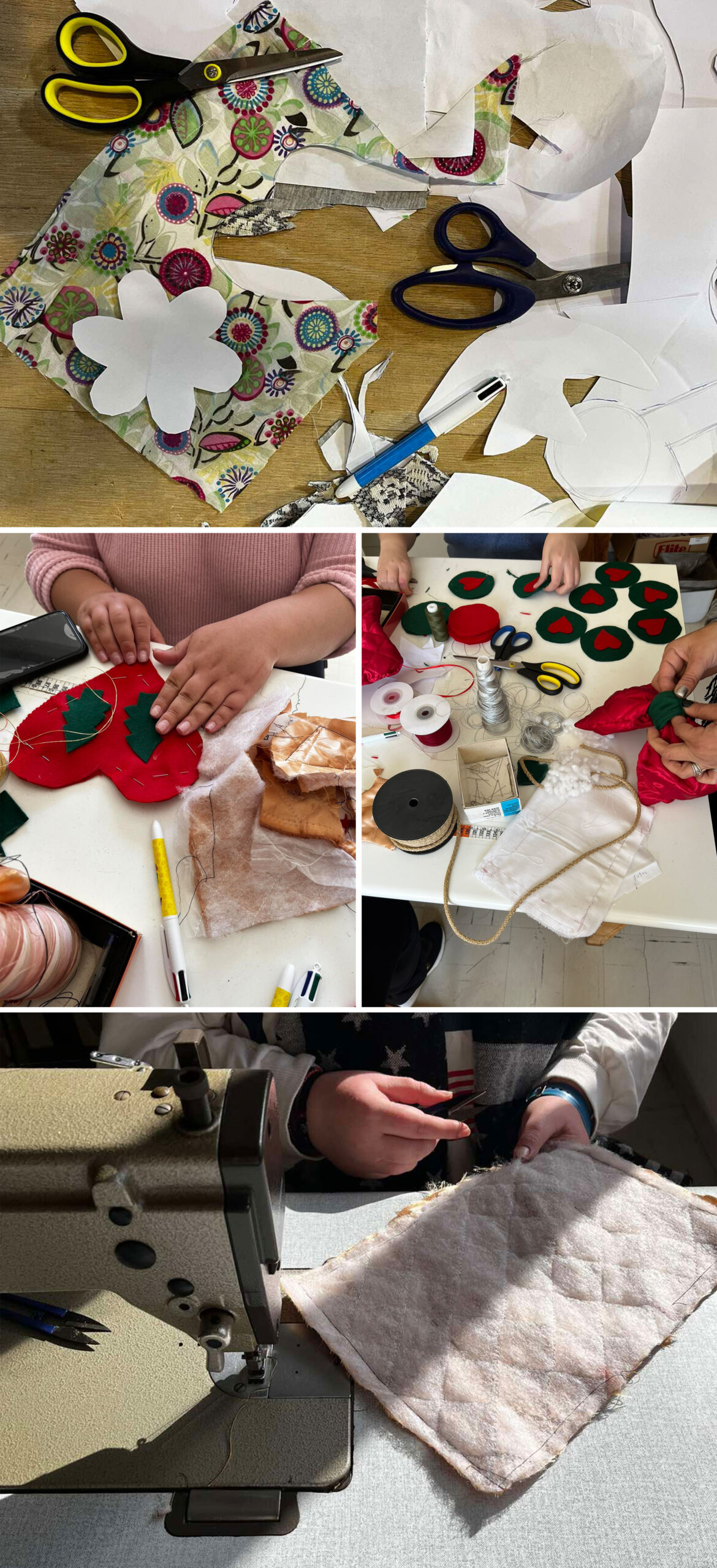
“Creative Threads” unfolded through weekly gatherings at the Day Centre for Mental Health of Aiginiteio, for the beneficiaries of the centre, creating a space where creativity, craftsmanship and collective experience could come together. The workshop followed a structured yet flexible curriculum designed to move from basic tactile familiarity to complex collective projects.
Technical Skills & Artistic Exploration
- Basic Tailoring: Cutting, sewing, and finishing techniques.
- Upcycling & Decoupage: Giving “second life” to old clothes using paper, fabric dyes, and mixed media.
- Textile Art: Integrating beads, rhythmic embroidery, and fabric painting to enhance texture and aesthetic value.
- Sensory-Friendly Activities: Using soft fabrics and repetitive stitching patterns specifically designed to reduce stress and promote mindfulness.
Collective & Social Dynamics
The program emphasized Collaborative Projects, such as community quilts and large-scale tapestries. These activities broke the isolation often associated with mental health challenges, fostering a sense of shared presence and community support.
Therapeutic & Clinical Integration
A unique aspect of “Creative Threads” was its integration into a mental health support framework.
- Mindfulness & Wellness: Collaborations with guest artists and mindfulness instructors to connect the physical act of sewing with mental grounding.
- Therapeutic Discussions: Regular sessions (facilitated with specialists like Loukia) addressing self-esteem, stress management, and the “healing power of the handmade.”
- Reflective Practice: Participants maintained journals and portfolios to document their emotional and artistic evolution, providing a tangible record of growth.
Measuring Impact: Research & Evaluation
The project includes a rigorous scientific component aimed at contributing to the international discourse on Arts in Health.
- Clinical Metrics
The effectiveness of the intervention is measured using standardized psychological tools: - SCL-90: To track the severity of psychiatric symptoms.
- Rosenberg Scale: To measure changes in self-esteem.
- QoLshort: To assess improvements in Quality of Life.
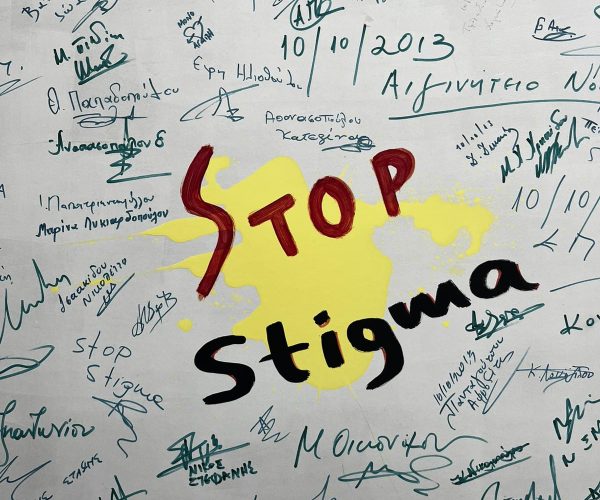
- Self-Stigma Scales (SMI): To evaluate the reduction of internalized stigma in participants with lived psychiatric experience (specifically those with a diagnosis of psychosis).
Academic Output
The data gathered will be synthesized into a research article for an international peer-reviewed journal (with the involvement of Eleni Chatzigeorgiou) and presented at professional conferences to advocate for creative tailoring as a valid psychosocial rehabilitation tool.
From Creation to Market: The Bazaar & Exhibition
To bridge the gap between therapy and professional exposure, the program concludes with:
- Public Exhibition: A showcase of the unique pieces created over the nine months.
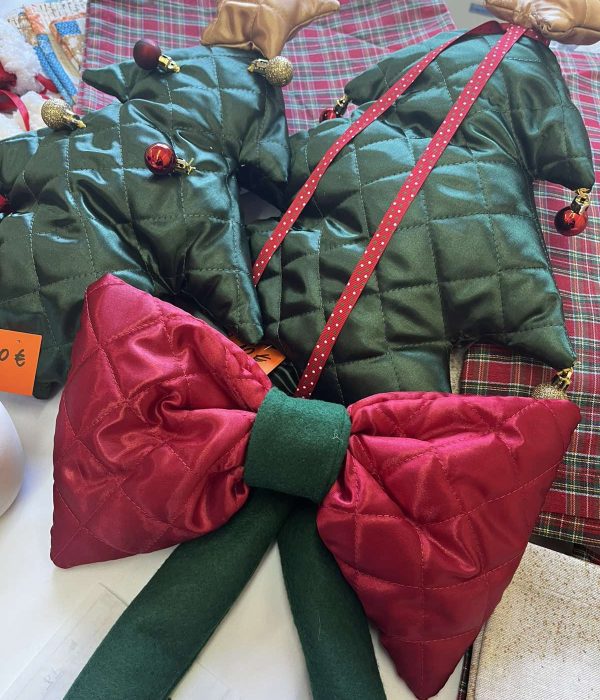
- Economic Empowerment: Products created for Bazaars and items listed for sale on the BRAINSHOT website. This introduces participants to the concept of “art as income,” reinforcing their identity as capable creators and contributors to the economy.
The successful implementation of the Creative Threads program is made possible through a robust network of strategic partnerships and institutional backing. As a vital component of the broader “Reform of Mental Health Services” (ID 16820), the project operates under the scientific and organizational aegis of PEPSAEE (the Panhellenic Association for Psychosocial Rehabilitation and Work Integration). This initiative is also deeply integrated into national healthcare objectives, receiving critical funding and oversight from the Ministry of Health via the Recovery and Resilience Fund, which recognizes the transformative role of art in psychosocial recovery.
Beyond institutional support, the program’s creative heart is sustained by the generosity of the private sector and the community. Special recognition is due to our primary donors, Piracy Vintage and City Pearlz, whose high-quality garment donations provided the essential raw materials for our upcycling workshops. Their contribution did more than fuel a creative journey; it reinforced the project’s commitment to circular fashion and demonstrated how corporate social responsibility can directly impact individual mental wellness and artistic empowerment.